Understanding Tree Anatomy: A Comprehensive Guide for Enthusiasts and Professionals Nov 16, 2025
To begin with, a tree can be viewed as nature’s living masterpiece, intricately designed to support both life and the environment. The journey into tree anatomy starts with understanding the root system, which often goes unnoticed beneath the soil surface. Roots are vital for mechanical support, water absorption, and nutrient uptake. They anchor the tree and form a complex network that can extend far beyond the tree’s canopy. When evaluating tree health, examining root health is crucial, as issues such as root rot or constricted growth can severely affect a tree's stability.
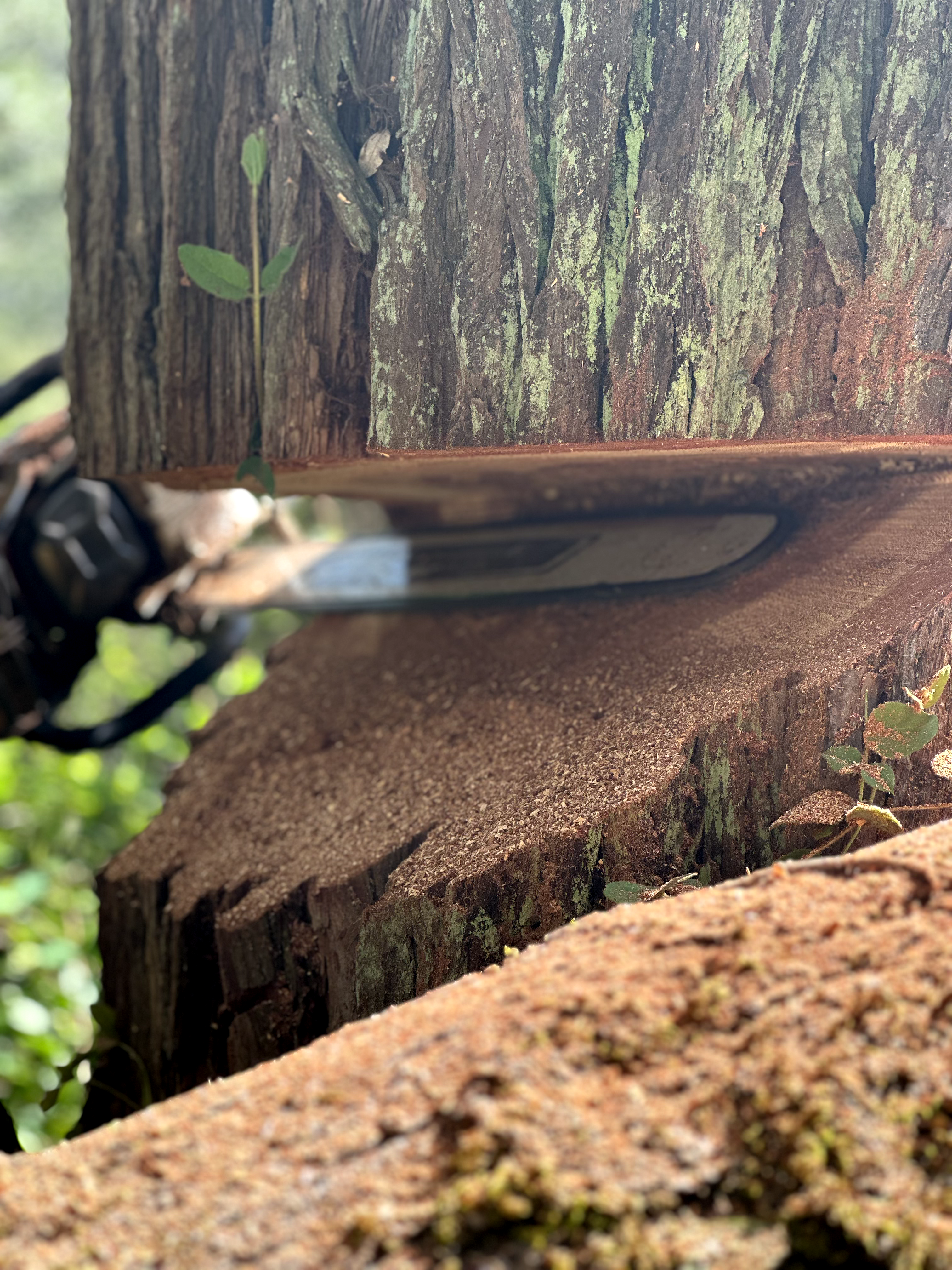
Moving up, we encounter the trunk, which is the most recognizable part of a tree. It serves as the main support structure and houses the vascular system. The trunk transports water and nutrients from the roots throughout the tree and consists of several layers. The bark, the tree’s outermost layer, acts as a protective shield against physical damage and disease. Beneath the bark lies the cambium, a thin layer responsible for the tree's growth in diameter. Understanding these layers can help in diagnosing structural issues or diseases, making the trunk a focal point in professional tree care.
Ascending to the canopy, the branches and leaves orchestrate a vital function – photosynthesis. Leaves are the food factories of the tree, converting sunlight into energy, which supports the tree and, by extension, the ecosystem. Healthy leaves are indicators of a tree’s overall vitality, while discolored or falling leaves can signal stress or possible pest infestations. Regular monitoring of the canopy can preemptively reveal issues that might escalate if unaddressed.
Beyond mere structural observations, understanding tree communication and response mechanisms is equally fascinating. Trees have evolved intricate ways to withstand environmental challenges and communicate stress. Knowing this can enhance tree care practices, enabling precise interventions that promote sustainability and growth. Tyco Forest Management emphasizes the importance of this knowledge for sustainable forestry and urban tree management.
With a holistic understanding of tree anatomy, tree service professionals can make informed decisions regarding pruning, disease control, and fertilization. For tree enthusiasts, this knowledge enhances the appreciation of trees' complexity and importance. By understanding the interconnectedness of the roots, trunk, and canopy, individuals can contribute significantly to conservation efforts and create thriving green spaces in urban environments.
In conclusion, the anatomy of trees is more than just a topic of biological study; it’s a gateway to understanding nature’s resilience and intelligence. At Tyco Forest Management, we encourage both professionals and enthusiasts to keep exploring and learning about this fascinating subject. Whether you aim to nurture a backyard sapling or manage a sprawling forest, an informed approach begins with appreciating the structures and functions of trees. As we delve deeper into the workings of trees, we foster a healthier, greener planet for future generations.
/filters:no_upscale()/filters:format(webp)/media/a533872a-ad0e-40aa-a36f-a6a597cbd997.jpeg)