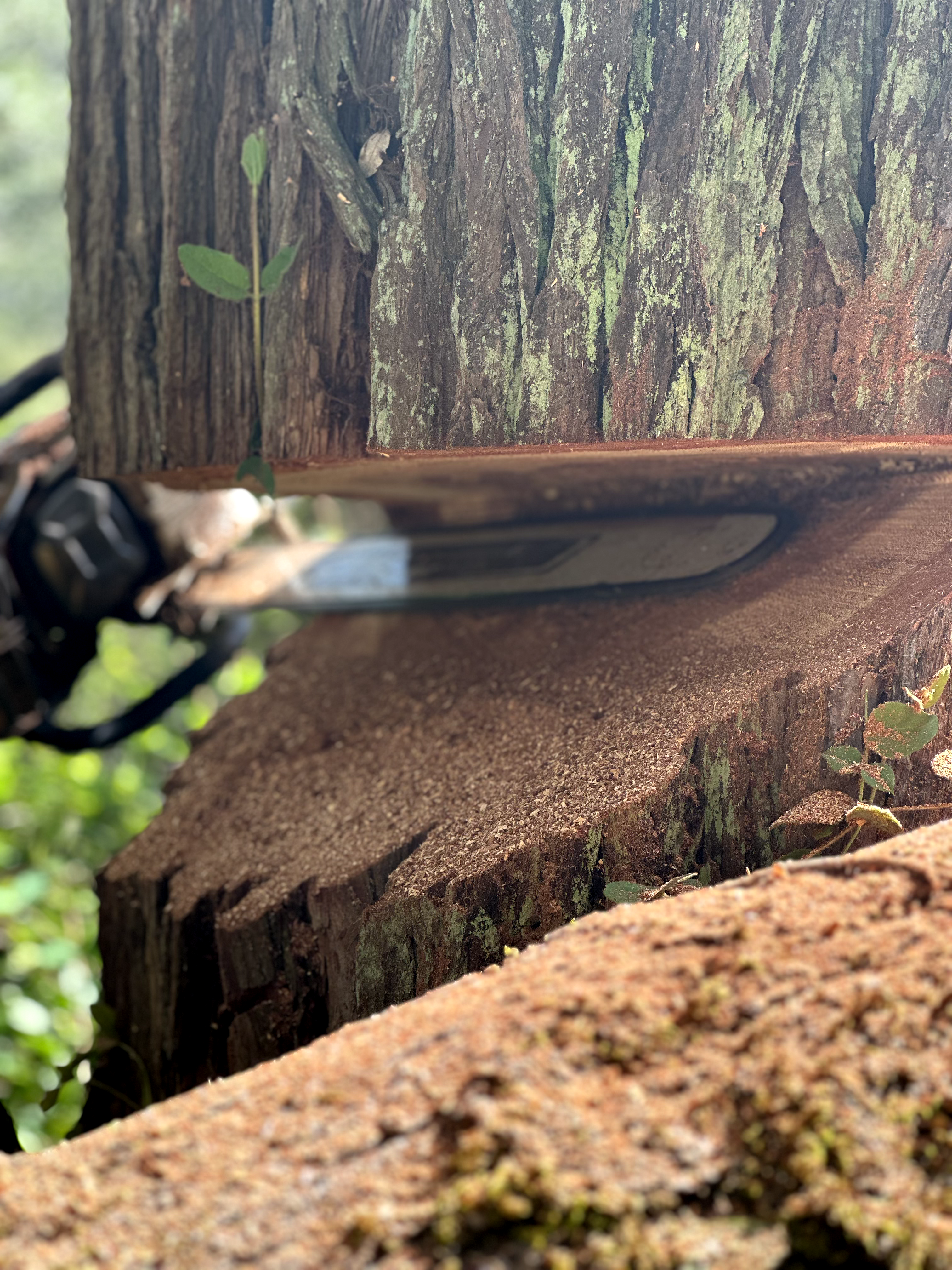
Safeguarding Wildlife: The Intersection of Tree Management and Habitat Conservation Nov 07, 2025
The intricate relationship between trees and wildlife forms the core of a thriving ecosystem. Trees provide shelter, food, and breeding spaces for countless species. However, as the demand for land and resources increases, these natural habitats face unprecedented threats. Tree management addresses these concerns, ensuring that we do not disrupt the intricate web of life.
Tyco Forest Management knows that effective tree management involves more than just maintaining or removing trees; it requires a deep understanding of the local ecosystem. The company evaluates the impact of tree services on wildlife habitats, devising strategies that minimize disruption while enhancing habitat viability. By implementing practices such as selective logging, pruning, and scheduled plantings, they create conditions conducive to biodiversity.
Conservation efforts often include identifying and preserving essential habitats. For instance, certain tree species may be home to endangered birds or rare insect populations. Recognizing these crucial areas is vital, and Tyco Forest Management employs ecologists and arborists to map out and protect these vulnerable zones. This approach not only safeguards wildlife but also contributes to the long-term health of the forest ecosystem.
Another important aspect of managing trees in the interest of habitat conservation is the creation of buffer zones. These are sections of vegetation left intact or reforested around significant habitats. Buffer zones mitigate the edge effects often caused by human activity, thereby preserving the core habitat's integrity. This strategy is a testament to Tyco Forest Management’s commitment to proactive conservation.
A key challenge in tree management is dealing with invasive species. These non-native plants and animals can wreak havoc on local habitats, often outcompeting or preying on indigenous species. Tyco Forest Management actively works to control these invasions, employing methods that limit their impact without harming the existing ecosystem. By maintaining an invasive-free environment, native wildlife can thrive unimpeded.
Community engagement is another pillar of effective habitat conservation. Tyco Forest Management believes in educating and involving local communities in conservation efforts. Workshops and training sessions help locals understand the importance of preserving wildlife habitats, empowering them with the knowledge and skills required to participate in sustainable practices. This involvement fosters a sense of ownership and responsibility towards the environment.
Technological advancements also play a critical role. Using satellite imagery and GIS (Geographic Information Systems), Tyco Forest Management can analyze and monitor vast expanses of forest. These tools help in predicting the effects of their activities on the ecosystem, allowing for data-driven decision-making that supports conservation goals.
In the grand scheme of environmental conservation, the role of tree services and habitat protection cannot be overstated. Tyco Forest Management exemplifies how thoughtful tree management practices can simultaneously support human needs and conserve the habitats that countless species call home. As we look to the future, such integrated strategies will be pivotal in maintaining the delicate balance that sustains life on our planet. Through dedicated efforts in tree management and habitat conservation, Tyco Forest Management is paving the way to a greener, more sustainable future.
/filters:no_upscale()/filters:format(webp)/media/a533872a-ad0e-40aa-a36f-a6a597cbd997.jpeg)